
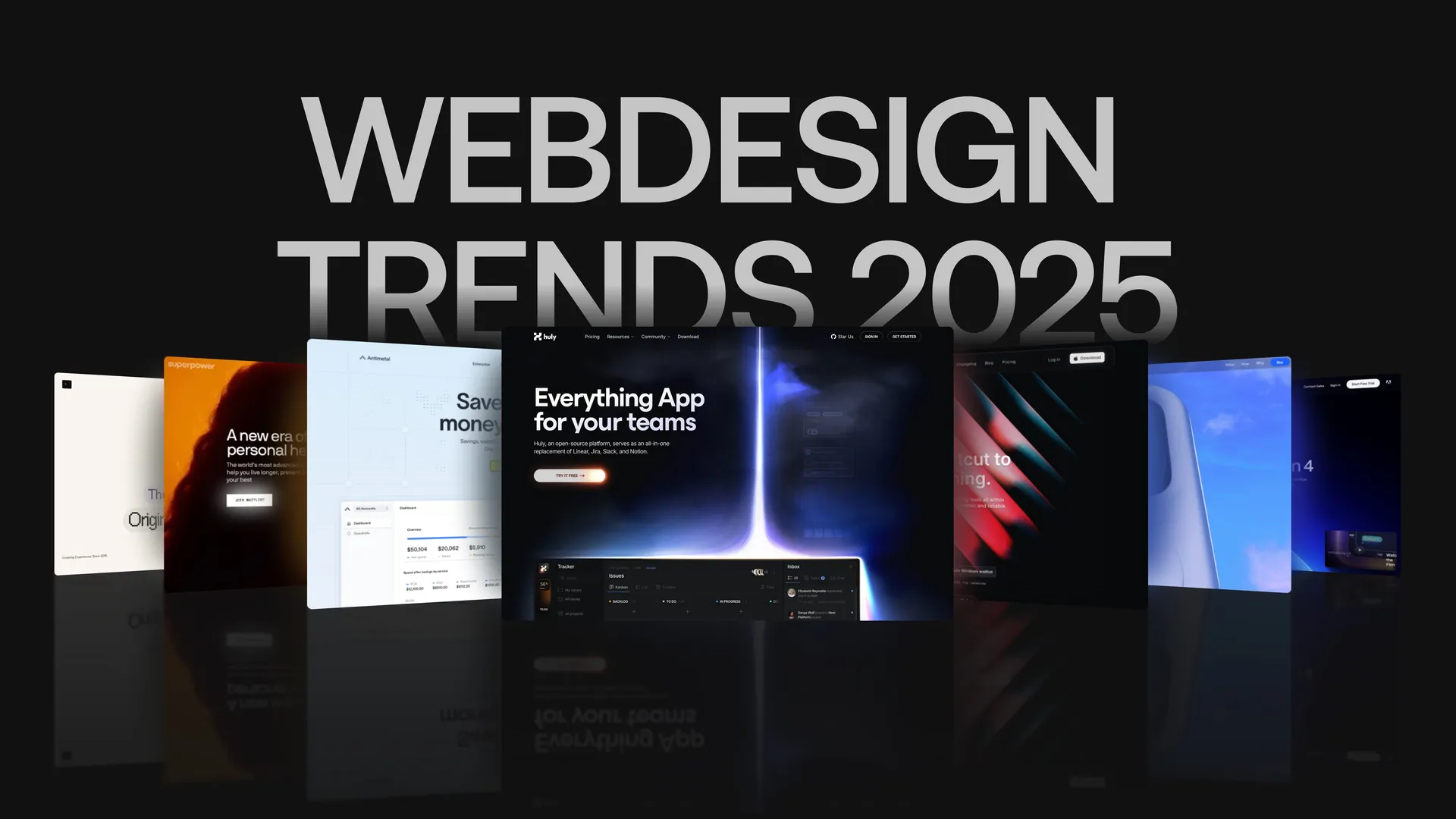
The web development landscape in 2025 is no longer about just building fast websites. It’s about building intelligent, secure, scalable, and conversion-focused digital experiences. Businesses that still treat websites as static brochures are already losing market share to competitors using smarter technology stacks and user-centric design.
From my hands-on experience working with business websites, marketing funnels, and performance-driven landing pages, one thing is clear: web development trends directly impact SEO, conversions, scalability, and long-term growth. Ignoring them isn’t neutral—it’s risky.
This guide breaks down the most important web development trends in 2026, why they matter, how they’re actually used in real projects, and what businesses should prioritize.
15 Cutting-Edge Web Development Trends In 2026

1. AI Functionalities
Artificial Intelligence is no longer an “add-on feature.” In 2025, AI is baked directly into web applications.
AI-powered chatbots, content personalization, predictive search, recommendation engines, and automated customer support are now standard expectations, not premium extras. I’ve personally seen websites improve lead conversion rates simply by implementing AI-driven on-site assistance that responds based on user behavior, not static scripts.
AI also improves backend processes like fraud detection, analytics interpretation, and UX optimization through heatmap prediction.
2. Progressive Web Apps (PWAs)
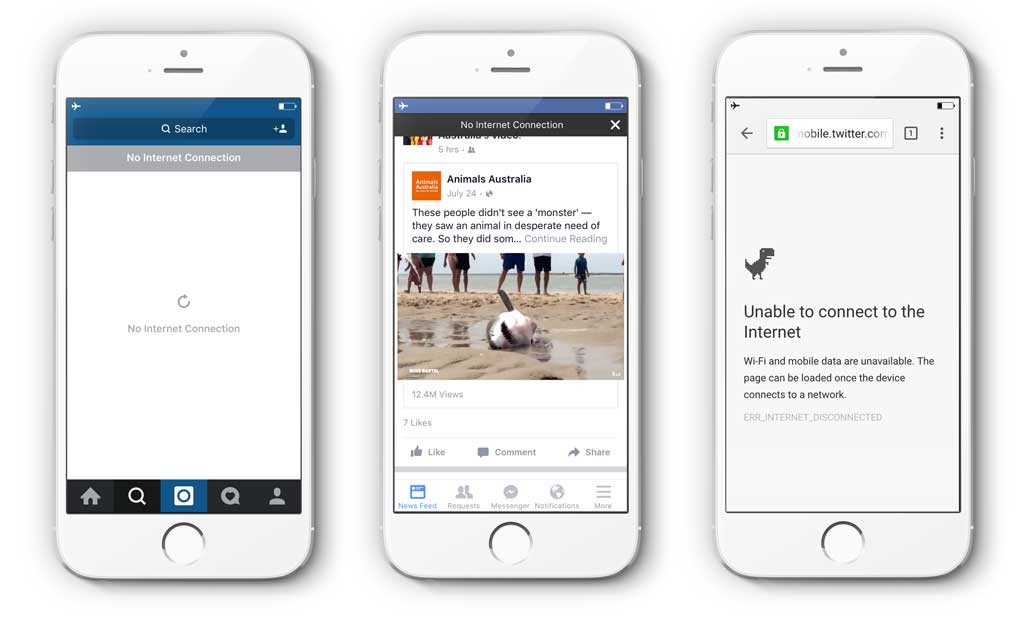
Progressive Web Apps continue to dominate because they solve a real problem: mobile performance without app-store dependency.
PWAs load instantly, work offline, send push notifications, and behave like native apps. For eCommerce and service businesses, this directly impacts repeat visits and engagement.
From experience, PWAs significantly reduce bounce rates on mobile traffic, especially in regions with slower internet speeds.
3. Blockchain Technology
Blockchain in web development isn’t about hype anymore. It’s about trust, transparency, and decentralization.
Use cases include secure payment systems, decentralized authentication, NFT marketplaces, smart contracts, and data integrity verification. Websites handling sensitive transactions benefit massively from blockchain-based verification layers.
This trend is especially strong in fintech, digital identity platforms, and global payment solutions.
4. Serverless And Headless Architecture

Traditional monolithic websites are becoming obsolete.
Serverless computing removes the need to manage infrastructure, while headless CMS decouples content from presentation. This allows developers to deliver content across websites, apps, kiosks, and IoT devices using the same backend.
I’ve used headless setups to scale content-heavy websites without performance degradation, even during traffic spikes.
5. Accelerated Mobile Pages (AMP)
AMP isn’t dead—it’s selectively useful.
While not ideal for every site, AMP still plays a role for news platforms, content publishers, and SEO-focused blogs where speed and visibility matter more than heavy interactivity.
The key mistake businesses make is blindly implementing AMP without understanding its limitations.
6. Motion UI Frameworks

Motion UI enhances user experience through subtle animations, transitions, and feedback loops.
In 2025, motion design isn’t decorative—it’s functional. It guides attention, confirms actions, and improves usability. Well-implemented motion reduces confusion and increases engagement, especially on SaaS dashboards and onboarding flows.
Overuse, however, kills performance. Balance matters.
7. Dark Mode Design
Dark mode is no longer optional—it’s expected.
Users prefer interfaces that reduce eye strain and improve readability in low-light environments. Many of the websites I’ve worked on saw longer session durations after implementing dark mode toggles.
Dark mode also impacts brand perception, especially in tech, gaming, and finance sectors.
8. Voice Search Optimization

Voice search changes how users interact with websites.
Web developers must structure content for conversational queries, natural language processing, and voice-friendly navigation. This trend heavily intersects with SEO, accessibility, and AI.
Ignoring voice optimization means missing out on a growing segment of mobile and smart-device users.
9. API-First and Low-Code Development
API-first development ensures flexibility and future scalability. Low-code platforms speed up development without replacing developers.
In real projects, I’ve seen low-code tools accelerate MVP launches while API-first architecture ensures long-term stability. The key is knowing when to use low-code and when not to.
Over-reliance leads to vendor lock-in.
10. Cybersecurity And Data Protection

Security is no longer just HTTPS and firewalls.
In 2025, websites must address data privacy laws, user consent, secure authentication, and zero-trust architectures. A single breach destroys brand credibility instantly.
From experience, proactive security planning is far cheaper than post-incident damage control.
11. WebAssembly (Wasm)
WebAssembly enables near-native performance in browsers.
This is a game-changer for applications like video editing, gaming, financial modeling, and 3D visualization. Wasm allows heavy computations without killing browser performance.
Expect more performance-intensive web apps in 2025.
12. GraphQL

GraphQL replaces inefficient REST calls with precise data queries.
This reduces over-fetching, speeds up frontend performance, and simplifies complex data relationships. In content-rich platforms, GraphQL dramatically improves loading efficiency.
Once teams adopt it correctly, they rarely go back.
13. WebRTC
WebRTC enables real-time communication directly in browsers.
Video conferencing, live support, telemedicine, and collaborative tools rely on this technology. The demand for real-time interaction is only growing.
WebRTC eliminates dependency on third-party plugins and improves data privacy.
14. Edge Computing
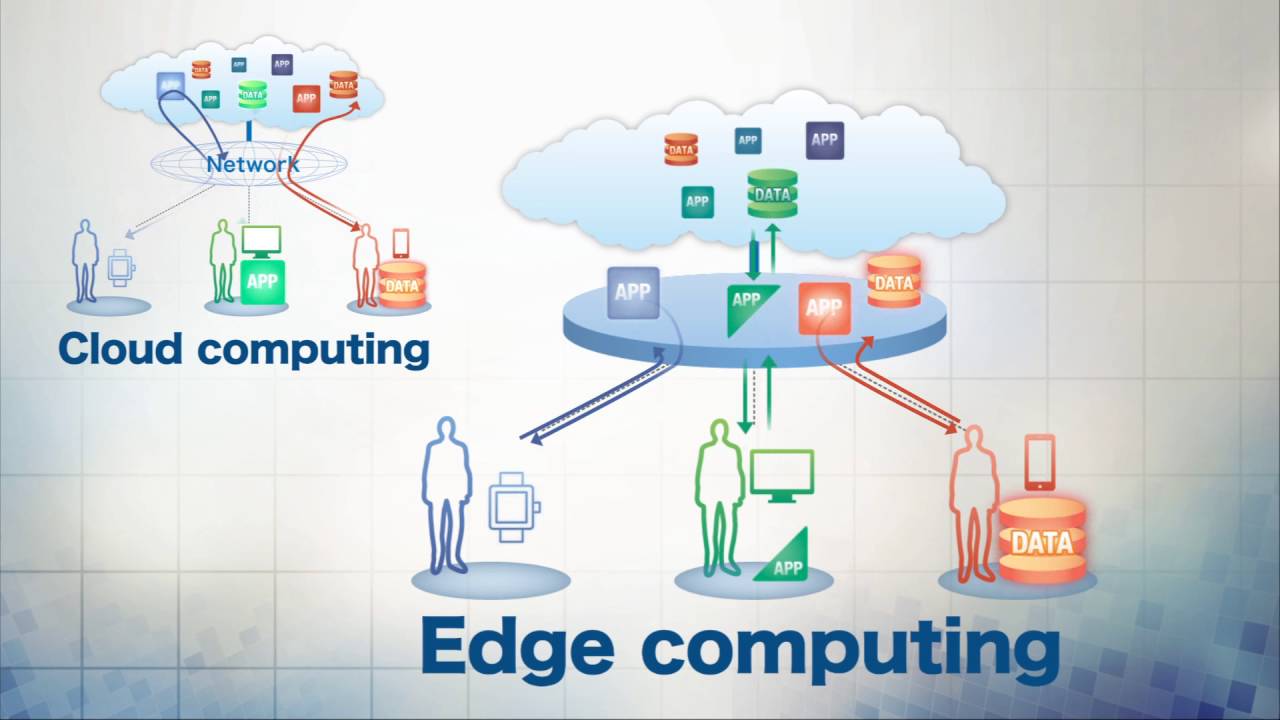
Edge computing processes data closer to users.
This reduces latency, improves speed, and enhances real-time interactions. For global websites, edge deployment significantly improves user experience across regions.
It’s a silent performance booster many businesses overlook.
15. Hyperautomation Tools
Hyperautomation combines AI, RPA, and analytics to automate complex workflows.
Websites now automate lead qualification, CRM syncing, analytics reporting, and customer segmentation. This reduces manual effort and improves operational efficiency.
Automation done right increases profit margins.
Overview Of Popular Web Development Technologies
Backend Frameworks
Popular backend frameworks in 2025 focus on scalability, performance, and security. Node.js, Django, Laravel, and Spring Boot dominate due to flexibility and ecosystem maturity.
The wrong backend choice causes performance bottlenecks that no frontend optimization can fix.
Front-End Frameworks
Frontend development revolves around component-based architectures. React, Vue, and Next-generation frameworks focus on speed, modularity, and SEO-friendliness.
The trend is clear: performance-first UI development.
Future Outlook For Website Development Trends
Web development is moving toward automation, intelligence, and personalization.
Static pages are fading. Websites are becoming living systems that adapt to user behavior, location, and intent. Businesses that invest early gain compounding advantages.
If your website doesn’t evolve, your competitors will.
Key Metrics To Measure Web Development Success
Measuring success isn’t about vanity metrics.
Key indicators include page load time, conversion rate, session duration, interaction depth, error rates, and scalability under load. I’ve seen websites with beautiful designs fail because nobody measured real performance.
Data-driven iteration wins.
Stay On Top Of Web Development Trends With Digital Silk
Staying current isn’t about chasing every trend—it’s about choosing the right ones strategically.
Businesses that align web development with branding, marketing, and technology goals outperform those treating it as a one-time project.
Related Resources
10 Best Image Formats For Your Website (2026 Guide)
10 Best Magento Hosting Providers Compared
10 Types Of eCommerce Websites & Business Models
15 Best AI Tools For eCommerce Businesses
15 B2C eCommerce Best Practices To Increase Sales
15 Best B2B eCommerce Platforms
Let’s Grow Your Brand
Your website is not an expense—it’s an asset.
In 2025, the difference between growth and stagnation comes down to how intelligently your website is built and evolved.
Frequently Asked Questions (FAQ)
What are the most important web development trends in 2025?
AI integration, PWAs, cybersecurity, headless architecture, and performance optimization lead the list.
Are web development trends important for SEO?
Yes. Speed, UX, structured data, and AI-driven personalization directly impact rankings.
Should small businesses follow these trends?
Not all. Focus on performance, security, and scalability first.
Is AI replacing web developers?
No. AI accelerates development but still requires skilled decision-making.
How often should a website be updated?
Continuously. Treat websites as evolving products, not static builds.
For More Visits: Peak Media Consulting
Also Read: Best Big Companies to Work for in Houston TX