

The eCommerce market in 2025 is unforgiving. Traffic is expensive, customer attention is short, and competition is global. Running an online store today without AI is not “traditional” — it is inefficient. AI tools are no longer experimental or enterprise-only. They are practical, affordable, and directly tied to revenue growth.
From my hands-on experience working with multiple eCommerce brands at different stages — from early Shopify stores to scaling businesses — I’ve seen one consistent pattern: stores that integrate the right AI tools make faster decisions, waste less budget, and grow more predictably.
This guide breaks down the best AI tools for eCommerce businesses, focusing on real use cases, not marketing hype. Every tool listed here solves an actual problem eCommerce owners face daily.
1. ChatGPT
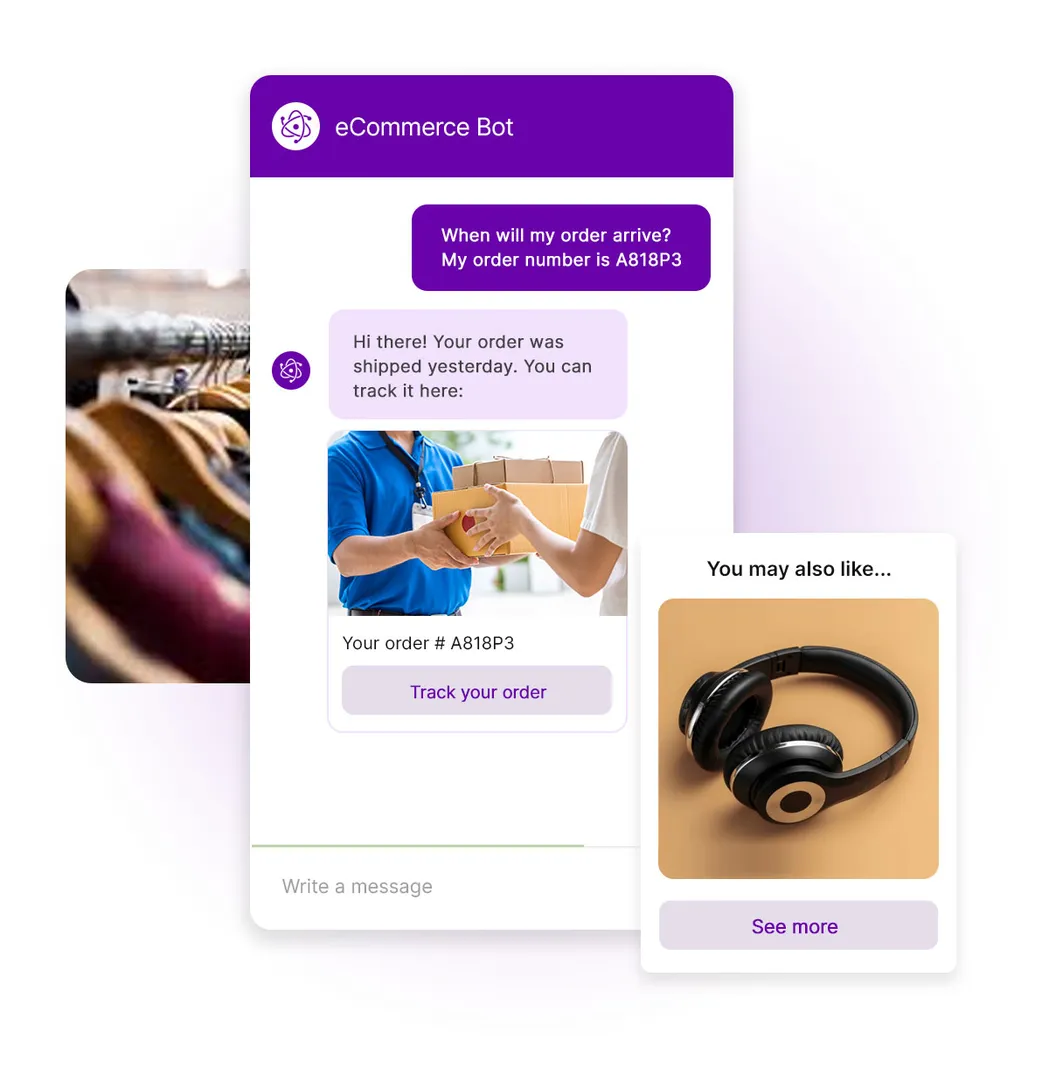
ChatGPT is the most versatile AI tool available for eCommerce. Its value does not come from automation alone, but from how quickly it accelerates thinking and execution.
In real projects, ChatGPT is commonly used for product descriptions, category page content, email sequences, customer support replies, SEO blog drafts, ad copy ideation, and internal SOPs. When guided properly, it saves dozens of hours every month.
The mistake many store owners make is expecting perfect output with zero direction. ChatGPT works best when you already understand your product, audience, and brand voice. Used blindly, it produces generic text. Used strategically, it becomes a productivity weapon.
2. Shopify Magic

Shopify Magic is Shopify’s built-in AI feature designed for merchants who want speed over complexity. It generates product descriptions, short-form content, FAQs, and basic marketing copy directly inside the Shopify dashboard.
This tool is ideal for small to mid-sized stores that don’t want to learn prompting or external tools. While it lacks deep customization, it is reliable for quick execution. In practice, it works well for stores with large catalogs that need consistent baseline content.
3. Solidgrids
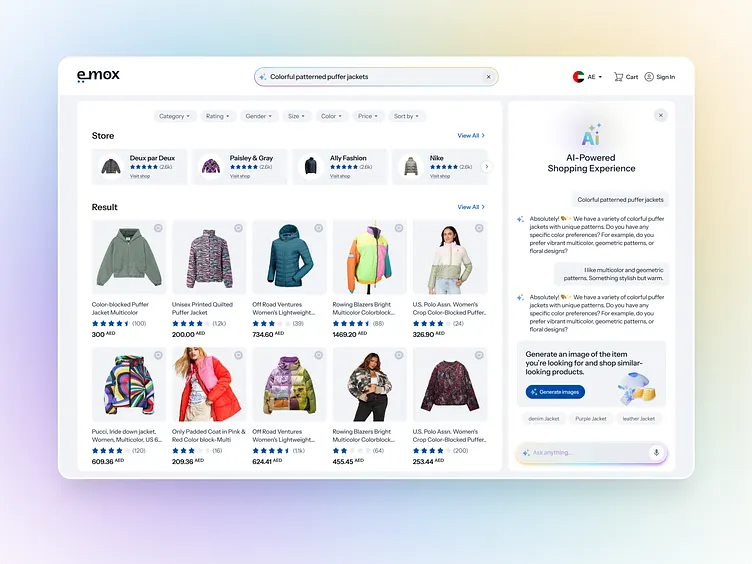
Solidgrids focuses on AI-powered website generation for eCommerce. It analyzes your niche, products, and goals, then produces layouts and content automatically.
This tool is useful during early-stage launches or MVP testing. Instead of spending weeks designing pages that may change later, Solidgrids helps validate structure quickly. It is not a replacement for advanced UX work, but it is effective for speed-focused builds.
4. Nosto
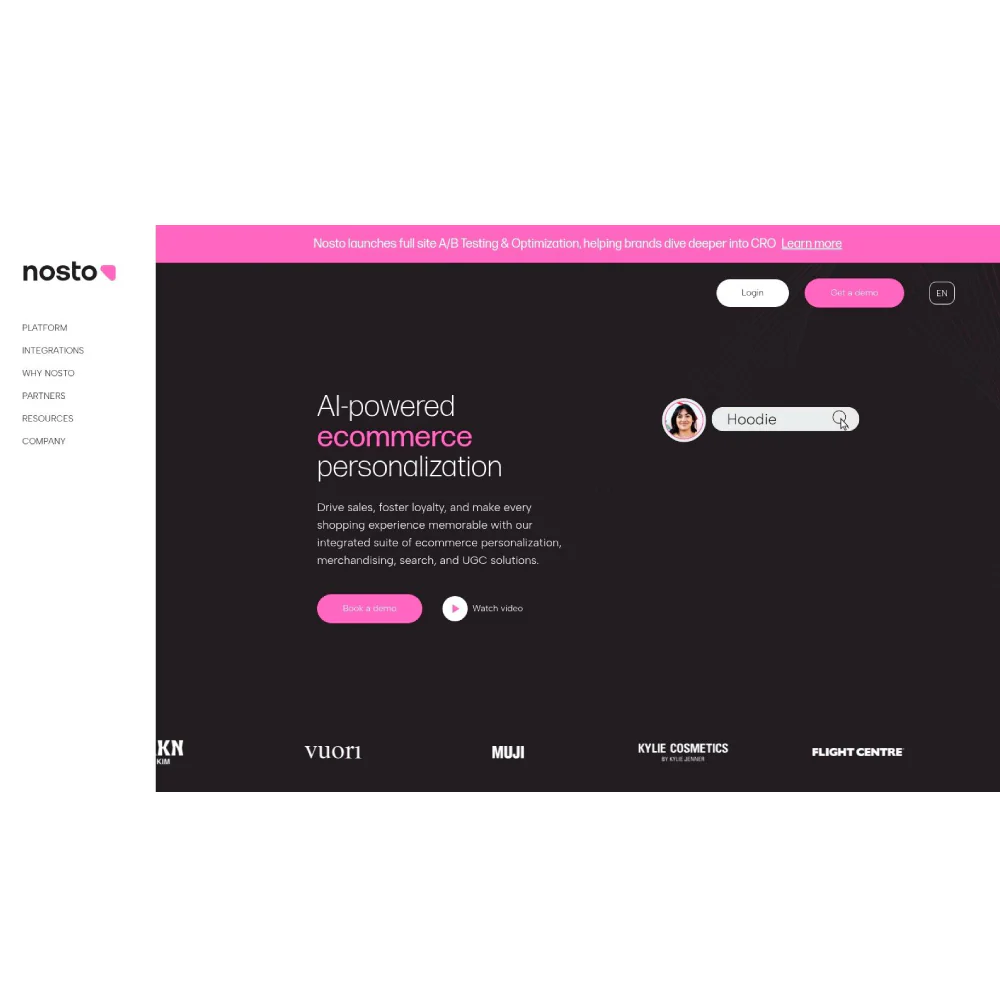
Nosto is one of the strongest AI personalization tools in eCommerce. It tracks user behavior and delivers dynamic product recommendations, personalized banners, and tailored on-site experiences.
From real-world usage, personalization tools like Nosto consistently increase average order value and engagement. Customers stay longer and view more products because the store feels relevant instead of generic.
5. Adobe Sensei
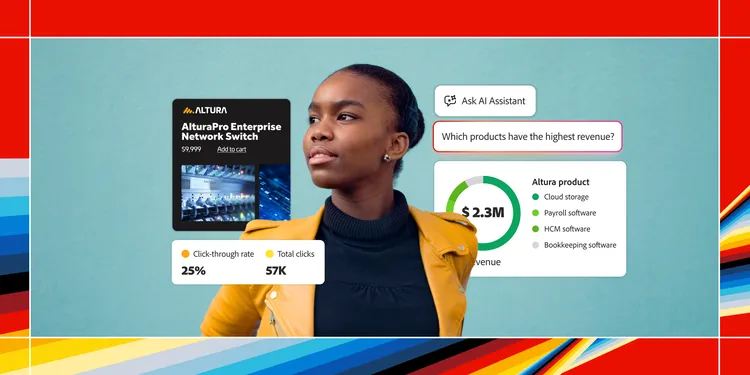
Adobe Sensei powers AI across Adobe’s commerce, analytics, and marketing products. It focuses heavily on predictive insights, segmentation, and advanced data analysis.
This is not a beginner tool. It shines in enterprise-level environments where large datasets already exist. For businesses with complex funnels, Adobe Sensei helps uncover patterns that humans usually miss.
6. Persado
Persado uses AI to optimize marketing language based on emotional triggers. Instead of guessing which headline or CTA will perform better, Persado analyzes emotional response data and recommends wording that converts.
In high-volume email and ad campaigns, even small improvements in language can create large revenue lifts. Persado is especially effective for brands already spending heavily on paid traffic.
7. Kili
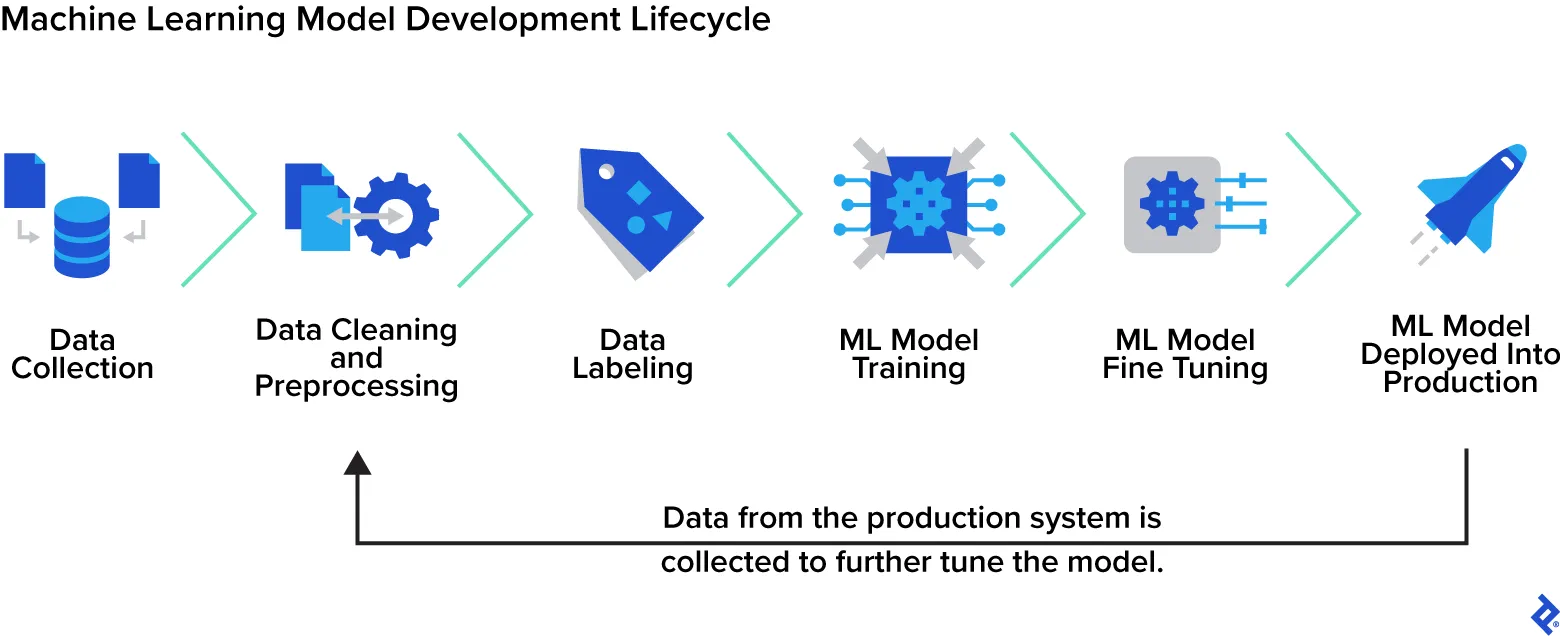
Kili is designed for companies building custom AI models. It helps label and manage training data, which is critical for machine learning accuracy.
Most small stores will not need Kili. However, brands investing in computer vision, fraud detection, or proprietary recommendation engines will find it essential. It solves a very specific but serious problem.
8. Salesforce Einstein
Salesforce Einstein integrates AI into CRM workflows. It predicts customer lifetime value, purchase probability, and churn risk.
For eCommerce businesses with sales teams, subscriptions, or complex customer journeys, Einstein replaces guesswork with data-backed predictions. This leads to better retention strategies and smarter upselling.
9. Syte
Syte enables visual search and discovery. Customers can upload an image and instantly find similar products in your store.
This tool is particularly powerful in fashion, furniture, and lifestyle niches. Visual search reduces friction, shortens buying decisions, and improves conversion rates by matching intent more accurately than keywords alone.
10. Patterned
Patterned uses AI to generate unique patterns and visual designs. It is ideal for print-on-demand and custom product businesses that need originality at scale.
Instead of repeating generic designs, Patterned helps brands stand out visually without hiring designers for every new SKU. This directly supports brand differentiation.
11. Plerdy
Plerdy focuses on UX analytics and conversion optimization. It tracks user behavior through heatmaps, click analysis, and funnel data.
From experience, tools like Plerdy expose silent conversion killers — poorly placed buttons, confusing layouts, or ignored CTAs. Fixing these issues often produces faster ROI than traffic generation.
12. Lumalabs
Lumalabs brings AI-powered 3D and immersive visuals into eCommerce. Customers can view products interactively instead of relying on static images.
This significantly reduces uncertainty for high-ticket items and lowers return rates. For brands selling premium products, this tool improves trust and perceived value.
13. Bluecore
Bluecore specializes in AI-driven lifecycle marketing. It personalizes emails, push notifications, and on-site messages based on real-time customer behavior.
Unlike basic automation tools, Bluecore adapts continuously. This means customers receive relevant messages instead of repetitive promotions, improving long-term retention.
14. Inbenta
Inbenta provides AI-powered customer support chatbots that understand intent, not just keywords.
This reduces support tickets, improves response times, and prevents customer frustration. Unlike basic bots, Inbenta handles complex queries more accurately, making it suitable for scaling stores.
15. Nifty
Nifty is an AI-enhanced project management tool. While not eCommerce-specific, it is valuable for managing campaigns, product launches, and cross-team workflows.
As stores grow, operational chaos becomes a hidden growth blocker. Tools like Nifty keep teams aligned and execution clean.
What To Look For In AI Tools For eCommerce Businesses
Choosing AI tools without a strategy is a mistake. The best tools solve specific problems, not vague ambitions.
Strong AI tools for eCommerce usually improve one of three things: conversion rate, customer retention, or operational efficiency. If a tool does not clearly impact at least one of these areas, it is likely unnecessary.
Integration matters more than features. A simpler tool that fits your existing stack is often better than a powerful one that creates friction.
Why AI Tools Are Essential For eCommerce In 2025
Customer expectations have changed. Shoppers expect personalization, speed, and relevance by default. AI enables this at scale.
At the same time, ad costs are rising and margins are shrinking. AI tools help businesses do more with less — fewer people, fewer hours, and fewer mistakes.
Brands that ignore AI will not fail overnight. They will fail slowly, losing efficiency and competitiveness until growth stalls.
Ethical Considerations And Potential Challenges
AI must be used responsibly. Data privacy, transparency, and human oversight matter.
Over-automation without review can damage brand voice and customer trust. The goal is not to remove humans from the process, but to let humans focus on strategy instead of repetition.
Smart brands use AI as an assistant, not a replacement.
Find The Right AI Tools For Your eCommerce Business With Peak Media Consulting
At Peak Media Consulting, the focus is not on selling tools — it is on building systems that grow revenue.
Every eCommerce business is different. A dropshipping store, a branded DTC business, and a B2B eCommerce platform require different AI stacks. Choosing tools without understanding your funnel, audience, and growth stage leads to wasted time and money.
Peak Media Consulting helps businesses:
- Identify real growth bottlenecks
- Select AI tools that directly impact revenue
- Integrate AI into marketing, SEO, and operations
- Avoid over-automation and tech overload
The goal is not “using AI.” The goal is using AI correctly.
Related Resources
- 10 Best Magento Themes For eCommerce Websites (Free & Paid)
- 10 Best eCommerce Personalization Tools Compared
- 10 Best eCommerce WordPress Plugins For 2025
- 10 Types Of eCommerce Websites & Business Models
- 15 B2C eCommerce Best Practices To Increase Sales
- 15 Best B2B eCommerce Platforms
Let’s Grow Your Brand
AI tools do not create success on their own. Execution does.
Brands that combine strong fundamentals with the right AI tools grow faster, smarter, and more profitably. Those that chase trends without strategy burn money.
If your goal is sustainable eCommerce growth, AI is no longer optional — but strategy always comes first.
FAQ: Best AI Tools For eCommerce
Are AI tools suitable for small eCommerce businesses?
Yes. Small stores benefit the most when AI replaces manual work and speeds up execution.
Can AI fully run an eCommerce store?
No. AI supports decisions and operations, but strategy and judgment remain human responsibilities.
Which AI tools give the fastest ROI?
Personalization, CRO, and email automation tools usually deliver the quickest results.
Is AI-generated content safe for SEO?
Yes, when reviewed, edited, and improved by humans. Blind publishing is risky.
How many AI tools should an eCommerce store use?
Only what is necessary. Complexity slows growth more than lack of tools.