
























June 3, 2025
CMS vs Custom Development: Which Is Right for Your Business?
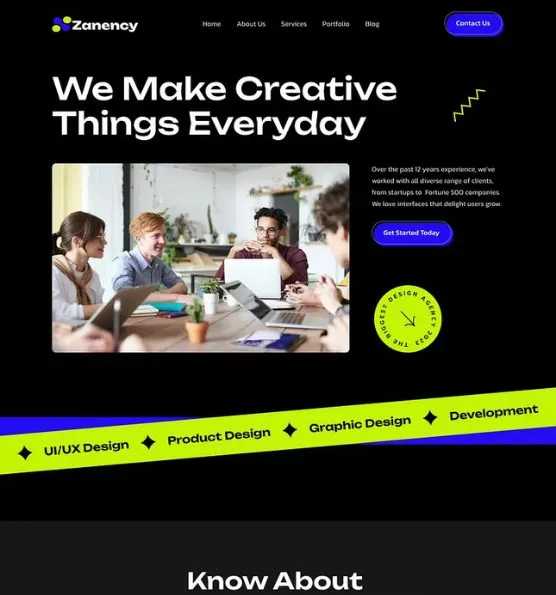
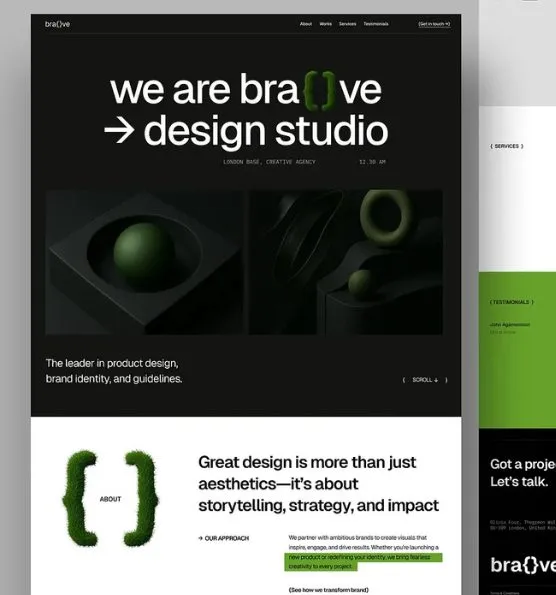
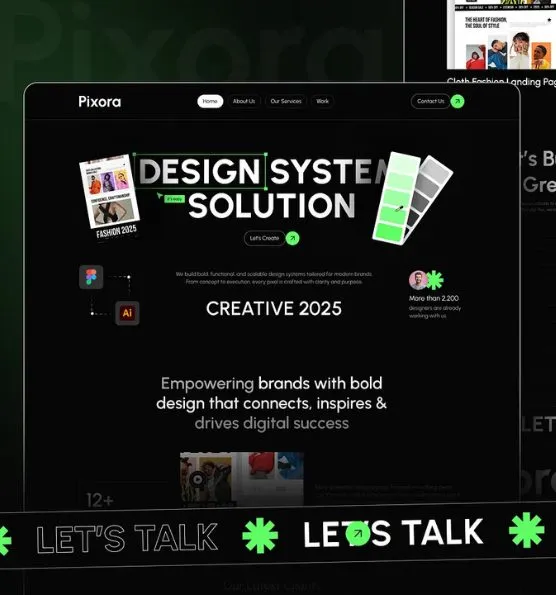
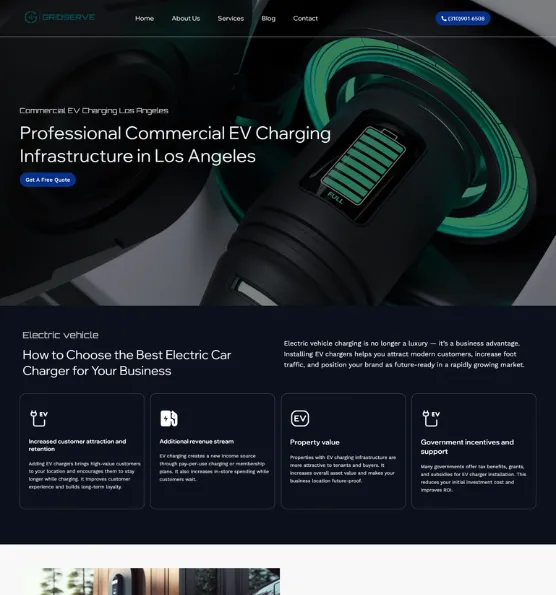
Choosing how to build your website is one of the most important decisions for any business. Many companies find themselves comparing CMS vs custom development to decide which path to take. Both options come with benefits and drawbacks, and the right choice depends on your business goals, budget, timeline, and technical needs. This article explains the difference between CMS and custom development, breaks down the pros and cons of each, and helps you make the best choice for your business. What Is a CMS? A Content Management System (CMS) is a platform that allows you to create and manage a website without writing much code. Popular CMS options include WordPress, Wix, Squarespace, and Shopify. These platforms come with pre-built templates, drag-and-drop tools, and plugins that make website building faster and easier for non-developers. Key Features of a CMS: Ready-made themes and templates User-friendly interface Plugin or app marketplaces for added functionality Community support and tutorials A CMS is ideal for small businesses, bloggers, startups, and anyone who needs a website up and running quickly. What Is Custom Development? Custom development means building a website from scratch using programming languages like HTML, CSS, JavaScript, PHP, or frameworks like Laravel or React. This process usually involves hiring a professional web developer or a team. Custom websites are built specifically for your brand and business needs. They offer complete flexibility in design, functionality, and performance. Key Features of Custom Development: Unique and fully customized design Optimized for performance and scalability Tailored to your exact workflow or user experience Full control over security and backend structure Custom development is usually chosen by growing businesses, enterprise-level companies, or anyone needing advanced features that a CMS can’t provide easily. CMS vs Custom Development: Side-by-Side Comparison Understanding the difference between CMS vs custom development becomes easier when comparing them side by side. Cost and Time to Launch CMS: Typically cheaper and faster to set up. Most CMS platforms offer free or low-cost plans. Setup can be done in a few hours to a few days. Custom Development: Requires a larger investment. It may take several weeks or even months, depending on complexity. Design and Customization CMS: Offers limited flexibility. Most CMS platforms rely on themes and plugins. Custom changes may require some coding. Custom Development: Offers complete freedom. You can design every part of your website according to your brand vision. Scalability and Performance CMS: Works well for small to medium sites, but may slow down with too many plugins or large amounts of traffic. Custom Development: Designed to scale with your business. You can build lightweight, high-performing websites tailored to your growth. Security and Maintenance CMS: More vulnerable due to plugin use and popularity. Requires regular updates to avoid hacks. Custom Development: Typically more secure, especially if coded by experienced developers. Maintenance, however, needs technical expertise. SEO and Optimization CMS: Offers plugins like Yoast SEO or Rank Math, which help optimize content for search engines. Custom Development: Offers greater SEO potential, especially for technical SEO. Performance optimizations are easier to implement. Support and Updates CMS: Large communities and support forums make it easier to find answers. Custom Development: You’ll need your developer or agency for updates, bug fixes, and improvements. Real-World Examples of CMS vs Custom Development Example 1: Small Business Website A local bakery wants a simple website with a few pages—home, about, menu, and contact. A CMS like WordPress or Wix is the perfect fit. It’s cost-effective, quick to set up, and easy to manage without technical knowledge. Example 2: Growing Online Store An eCommerce brand starts with Shopify but wants more control over design, payment options, and custom features. Over time, they switch to a custom-developed platform to support their growth and unique needs. Example 3: Corporate or Enterprise Website A multinational company needs multiple user roles, data integrations, and high-end security. A custom-built solution is ideal for such complex requirements and ensures long-term scalability. Why the Choice Matters: What the Experts Say Web developers and digital agencies often suggest starting with a CMS if you have a tight budget or limited time. CMS platforms are great for MVPs (Minimum Viable Products), small businesses, and non-technical users. However, if your business has unique needs or plans for rapid growth, custom development is the better long-term solution. It gives your brand a unique online presence and allows deep customization that’s often impossible with a CMS. How to Choose Between CMS and Custom Development Before deciding between CMS vs custom development, ask yourself these questions: 1. What’s my budget? If you’re working with a tight budget, a CMS is the better starting point. 2. Do I need a website fast? CMS platforms let you launch a website within days, while custom development takes time. 3. Do I need something simple or complex? Simple websites with standard features are perfect for CMS. But if you need complex workflows or tools, go custom. 4. Will I need to scale later? If you expect fast growth, custom development might be a smart investment now to avoid rebuilding later. 5. Do I have technical support? CMS platforms are manageable on your own. Custom websites will need long-term support from a developer. Which Is Right for Your Business? When comparing CMS vs custom development, there is no one-size-fits-all answer. Each option serves different business needs. Choose a CMS if you want to launch quickly, keep costs low, and manage the site yourself. Choose custom development if you need a unique, scalable, and feature-rich website built to support your long-term goals. Take time to understand your business needs, resources, and future plans. This will help you make the right decision and avoid costly changes later on.
Read More
May 12, 2025
The Future Business Growth Through Strategic Media Planning
In an ever-evolving digital landscape, businesses face unparalleled challenges and opportunities. As technology advances, understanding how to navigate media planning has become essential for sustainable business growth strategies. This article delves into the future of business growth through strategic media planning, exploring key trends, methodologies, and recommendations that can empower organizations to thrive. Understanding Strategic Media Planning What is Strategic Media Planning? At its core, strategic media planning involves designing a systematic approach that outlines how a business can effectively present its message to the right audience through various channels. It blends creativity with analytical thinking to ensure maximum impact—an essential component of modern business growth strategies. Purpose: To reach target audiences efficiently and effectively.Components: Audience analysis, message development, media selection, and performance evaluation. Whether you're a startup looking to establish your brand or a seasoned enterprise aiming to re-strategize, a robust media plan can be your roadmap and a cornerstone in your business growth strategies. Why is it Important Now More Than Ever? With the rise of digital platforms and changing consumer behavior, traditional marketing is no longer sufficient. Businesses must stay ahead of the curve to capture attention and drive engagement. Increased Competition: Businesses face diverse competitors, making strategic media planning a differentiator. Consumer Behavior Shift: Today’s consumers are more discerning and informed—media strategies must adapt accordingly. “In the age of information overload, a targeted media plan is crucial for cutting through the noise and executing successful business growth strategies.” Current Trends Impacting Media Planning The Rise of Data-Driven Strategies Data analytics is transforming how companies approach media planning. Utilizing data allows businesses to gain deeper insights into consumer preferences and behaviors, helping fine-tune their business growth strategies. Behavioral Data: Understanding how potential customers interact with various media platforms. Predictive Analytics: Forecasting future trends based on current data to stay ahead of the competition. Implementing data-driven strategies can significantly enhance decision-making and resource allocation—key to sustainable growth. Multi-Channel Marketing A single-channel approach is often insufficient in today’s marketplace. Consumers engage with brands across multiple platforms, from social media to traditional print. Unified Messaging: Ensure consistency across all platforms to strengthen brand identity. Cross-Promotion: Leverage different channels to support and amplify campaigns. Incorporating a multi-channel approach not only broadens reach but also strengthens your overall business growth strategies. Executing an Effective Media Plan Step 1: Define Clear Objectives A successful media plan starts with clear, measurable objectives: What are the key goals? (Brand awareness, lead generation, customer retention) How will success be measured? (Sales growth, audience engagement metrics) These steps are foundational in crafting strategic business growth strategies that deliver long-term value. Step 2: Identify Target Audiences Understanding your audience is critical: Segmentation: Break down audiences into specific groups based on demographics, interests, and behaviors. Persona Development: Create detailed buyer personas to guide messaging and targeting. Tailoring content to specific personas helps refine your media plan and boosts the efficiency of your business growth strategies. Step 3: Select the Right Channels Choosing the appropriate channels is crucial for maximizing impact. Social Media Platforms: Use data insights to determine which platforms resonate with your audience. Traditional Media: Don’t overlook the value of radio, print, or television. Channel selection can make or break your business growth strategies, especially in competitive industries. Step 4: Monitor and Adjust Media planning is not static; continuous evaluation and adaptation are necessary. Performance Tracking: Use tools like Google Analytics or social insights. Flexibility: Be ready to adjust strategies based on performance data. Agility in planning ensures your business growth strategies remain relevant and impactful. The Role of Technology in Media Planning Automation Tools Automation can streamline operations and free up resources for strategy. Ad Platforms: Google Ads and Meta Ads Manager help automate targeting. Content Management Systems: Tools like Hootsuite help manage cross-channel campaigns. Automation supports the execution of more efficient business growth strategies. Artificial Intelligence AI is revolutionizing planning: Enhanced Targeting: AI analyzes data for optimized targeting. Content Curation: Personalized delivery based on behavior data. Using AI ensures your business growth strategies are not only efficient but also ahead of the curve. Real-Life Success Stories Case Study: Nike’s Integrated Campaigns Nike’s “Just Do It” campaign used strategic media planning and multi-channel execution to build a globally recognized brand—an exemplary model of innovative business growth strategies. Case Study: Coca-Cola’s Personalization Strategy Coca-Cola’s “Share a Coke” campaign boosted customer engagement and brand loyalty by combining personalization and social media—showing how creative media planning supports robust business growth strategies. Conclusion: Embrace the Future with Strategic Media Planning As we look to the future, it's clear that successful business growth strategies will depend on smart, data-driven, and technology-supported media planning. Companies that embrace change, remain agile, and continue learning will redefine success in their industries. Take the next step in refining your business growth strategies—embrace strategic media planning and secure a thriving future.
Read More
May 7, 2025
Mobile Application Services: Enabling Businesses in the Digital Era
In today’s fast-changing digital world, mobile app development services have become essential for business success. Whether in retail, healthcare, logistics, or education, mobile apps are enabling companies to boost customer engagement, improve internal processes, and stay ahead of the competition. At Peak Media Consulting, we deliver industry-leading mobile app development services designed to meet the unique needs of startups and enterprises alike. From concept to deployment, we help businesses succeed in a mobile-first world. Why Mobile Applications Are a Business Game-Changer Smartphones are now an inseparable part of modern life. With over 7 billion mobile phone users in 2025, companies can no longer ignore this powerful platform. Here’s why mobile apps are indispensable: Direct Marketing Channel Push notifications and in-app messages allow personalized marketing straight to users’ devices. 24/7 Accessibility Make your business accessible anytime, anywhere, building trust and convenience. Instant Communication Real-time chat, service notifications, and alerts help improve customer service quality. Data-Driven Decision Making Use app analytics to track behavior and adjust your strategy for better results. Our Core Mobile App Development Services We offer full-stack mobile app development services tailored to your goals: 1. Custom App Development We build applications aligned with your business model, target audience, and long-term vision—no templates, only tailor-made solutions. 2. Cross-Platform Development Save time and budget with apps built using Flutter or React Native that work seamlessly across iOS and Android platforms. 3. UI/UX Design Our designers craft interfaces that are both beautiful and functional to keep users engaged and satisfied. 4. App Maintenance & Upgrades We offer continued support post-launch to ensure bug fixes, version updates, and consistent app performance. 5. Backend System Integration Need to connect your app with a CRM, ERP, or other system? We provide secure and efficient API integration. Industry Use Cases Our mobile app development services have served clients in multiple sectors: E-commerce: Mobile shopping apps with inventory, payment, and loyalty features. Healthcare: Appointment scheduling, telemedicine, and patient portals. Logistics: Real-time tracking and route optimization solutions. Real Estate: Virtual tours, CRM integration, and lead capture tools. Education: E-learning apps with video courses and testing modules. Real-World Success Story We partnered with a retail chain to develop a loyalty app offering reward points, push alerts, and digital receipts. The results: Customer retention increased by 40% Sales rose by 28% 80% of transactions were completed via the app This case illustrates the direct impact of effective mobile app development services on business growth. Top Mobile App Trends in 2025 We keep your app updated with cutting-edge trends that enhance functionality and user experience: AI-based personalization for smarter user journeys Voice search and command integration Augmented Reality (AR) experiences for immersive interactions Blockchain technology for secure transactions IoT integration to manage connected devices Technologies We Use Frontend Technologies Flutter, React Native, Swift, Kotlin Backend Development Node.js, Laravel, Firebase Database Management MySQL, MongoDB, Firestore Security Standards OAuth, JWT, SSL encryption for secure data transmission Why Choose Peak Media Consulting for Mobile App Development Services? Expert Developers: Skilled team with years of experience in mobile technology. Collaborative Process: You're involved every step of the way. Scalable Solutions: Whether small or enterprise-level, we scale as you grow. Affordable Packages: Quality development within your budget. Frequently Asked Questions (FAQs) Q1. How long does mobile app development take? A: Most apps take between 6–12 weeks, depending on complexity and features. Q2. Do you publish the app to stores? A: Yes, we manage the full publishing process for both Google Play and Apple App Store. Q3. Can I request future updates to my app? A: Absolutely. We provide ongoing support, bug fixes, and new feature additions as needed. Call to Action Are you ready to take your business to the next level with expert mobile app development services? Let Peak Media Consulting bring your vision to life with powerful mobile solutions tailored to your unique needs. Contact us now for a free consultation and start building the mobile app your business deserves.
Read More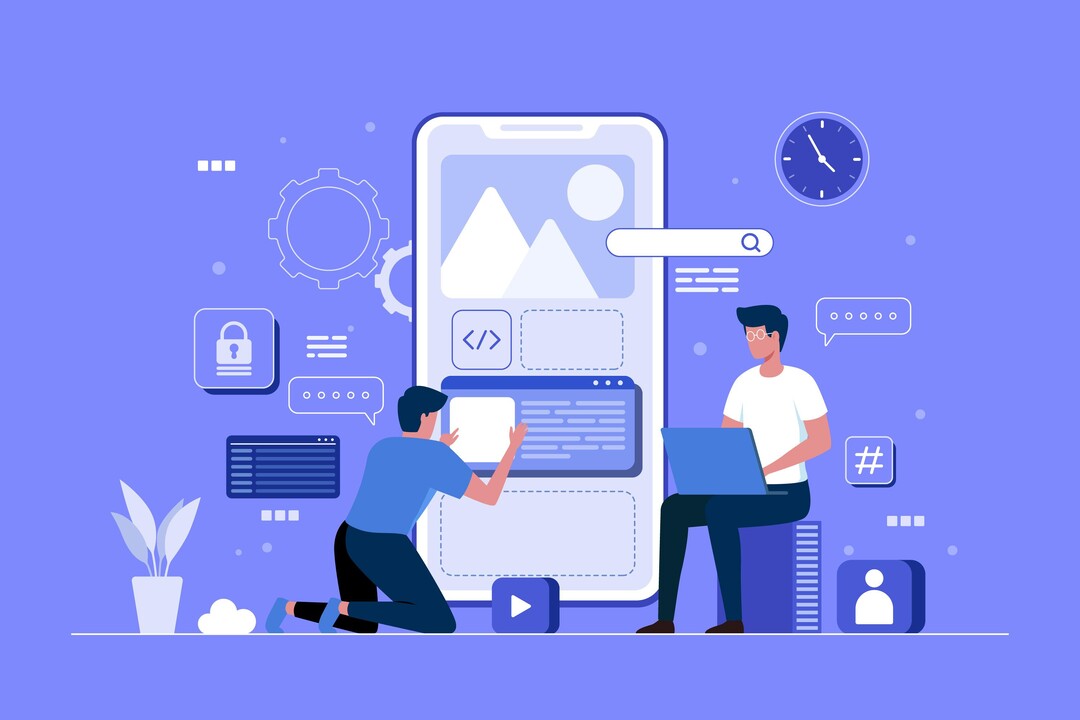
March 10, 2025
Application Development in 2025: Key Technologies & Best Approaches
Application development is evolving rapidly, with new technologies shaping the way businesses build digital solutions. From AI integration to cloud-based platforms, this blog explores the latest trends and best practices in app development for 2025. 1. AI & Machine Learning Integration AI-driven applications improve user experience and automation: AI Chatbots & Virtual Assistants: Enhance customer interactions. Predictive Analytics: Helps in decision-making and user behavior analysis. Automated Code Generation: Accelerates development with AI-powered coding assistants. 2. Cross-Platform Development Developers must focus on efficiency and performance: Flutter & React Native: Leading frameworks for seamless multi-platform apps. Progressive Web Apps (PWAs): Provide a lightweight alternative to native apps. Low-Code/No-Code Development: Speeds up development for non-technical users. 3. Cloud-Based & Serverless Architectures Modern applications are moving towards scalable solutions: Microservices Architecture: Improves scalability and flexibility. Serverless Computing (AWS Lambda, Google Cloud Functions): Reduces operational costs. Edge Computing: Enhances speed and reduces latency. 4. Cybersecurity & Data Privacy Security remains a top priority in 2025: Zero Trust Architecture: Ensures authentication at every step. Data Encryption & Secure APIs: Protects sensitive user information. Regulatory Compliance (GDPR, CCPA): Essential for handling user data responsibly. 5. Blockchain & Web3 Integration Decentralized applications (dApps) are gaining traction: Smart Contracts for Secure Transactions Decentralized Identity Verification NFT & Metaverse App Development Conclusion Application development in 2025 is driven by AI, cloud computing, and security innovations. Businesses that adopt these technologies will create robust, scalable, and user-friendly applications, ensuring long-term success in the digital age.
Read More
March 4, 2025
Social Media Branding: How to Make Your Brand Stand Out in 2025
With billions of active users across various social media platforms, branding has become an essential component of any business strategy. In 2025, social media branding is all about authenticity, engagement, and value-driven content. Here’s how you can strengthen your brand presence and connect with your audience effectively. 1. Define Your Brand Identity Your brand identity includes your logo, color scheme, tone of voice, and messaging. Consistency across all social media platforms helps in brand recognition and builds trust among your audience. 2. Leverage Storytelling Storytelling humanizes your brand and creates a deeper connection with your audience. Share customer success stories, behind-the-scenes content, and the journey of your brand to make your audience feel more involved. 3. Prioritize Engagement Over Followers A highly engaged audience is more valuable than a large follower count. Respond to comments, participate in discussions, and create interactive content like polls and Q&A sessions to keep your audience engaged. 4. Utilize Influencer Marketing Partnering with influencers—especially micro-influencers—can amplify your brand’s reach and credibility. Choose influencers whose audience aligns with your target market to maximize impact. 5. Optimize Content for Each Platform Each social media platform has its own preferred content format. Instagram and TikTok favor short-form videos, LinkedIn works well for professional articles, and Twitter thrives on concise updates. Tailor your content accordingly for better engagement. 6. Use Social Media Analytics Track your performance using analytics tools to understand what content resonates with your audience. Metrics like engagement rate, reach, and conversions help refine your strategy over time. 7. Focus on User-Generated Content Encourage your customers to share their experiences with your products or services. User-generated content not only builds trust but also serves as authentic testimonials that attract new customers. 8. Implement Paid Advertising Organic reach is declining, making paid ads a crucial part of social media branding. Invest in highly targeted ads to reach specific demographics and increase brand visibility. Conclusion Building a strong social media brand in 2025 requires a strategic mix of consistency, storytelling, engagement, and analytics. By leveraging these strategies, businesses can foster a loyal community and drive meaningful connections that lead to success.
Read More
February 12, 2025
The Power of Social Media Marketing: Top Strategies to Boost Your Brand
Social media marketing has become a cornerstone of modern business strategy. With billions of users worldwide, platforms like Instagram, LinkedIn, and TikTok offer unparalleled opportunities to connect with your audience and build brand loyalty. In 2024, staying ahead of the curve requires innovative strategies and a deep understanding of your audience. Here’s how you can leverage social media marketing to boost your brand. Key Points: Platform Selection: What to do: Identify the platforms where your target audience is most active. Example: Use LinkedIn for B2B marketing and Instagram for B2C. Content is King: What to do: Create high-quality, engaging content that resonates with your audience. Example: Use a mix of videos, carousels, and stories to keep your feed dynamic. Leverage Influencer Marketing: What to do: Partner with influencers who align with your brand values. Example: Micro-influencers often have higher engagement rates than celebrities. Paid Advertising: What to do: Use targeted ads to reach a wider audience. Example: Run Instagram ads with specific demographics and interests. Engage and Interact: What to do: Respond to comments, messages, and mentions promptly. Example: Host live Q&A sessions to build a stronger connection with your audience. Track and Analyze Performance: What to do: Use analytics tools to measure the success of your campaigns. Example: Monitor metrics like engagement rate, click-through rate (CTR), and conversions. Social media marketing is a powerful tool for building brand awareness and driving engagement. By implementing these strategies, your business can stay ahead of the competition in 2024. At Peak Media Consulting, we specialize in creating customized social media strategies that deliver real results. Let us help you take your brand to the next level.
Read More